In today's competitive international market, access to accurate trade intelligence can make the difference between winning and losing customers. One of the most valuable sources of trade intelligence is customs data. Companies involved in importing, exporting, logistics, market research, and business development increasingly rely on customs data to identify opportunities, monitor competitors, and expand into new markets.
This guide explains what customs data is, how it works, its benefits, and how businesses can use platforms like BTD China to gain a competitive advantage.
Customs data refers to import and export records collected by customs authorities during international trade transactions. Every time goods cross a country's border, importers and exporters must submit customs declarations containing detailed information about the shipment.
These records are processed and stored by customs agencies and may later become available through government sources or commercial trade intelligence providers.
A typical customs data record may include:
Importer name
Exporter name
Product description
HS Code
Quantity and weight
Shipment value
Country of origin
Destination country
Port of loading
Port of discharge
Shipping date
Carrier information
Customs data provides a transparent view of international trade flows, helping businesses understand who is buying, who is selling, and what products are moving across global markets.
Customs data has become one of the most important tools for companies engaged in international trade.
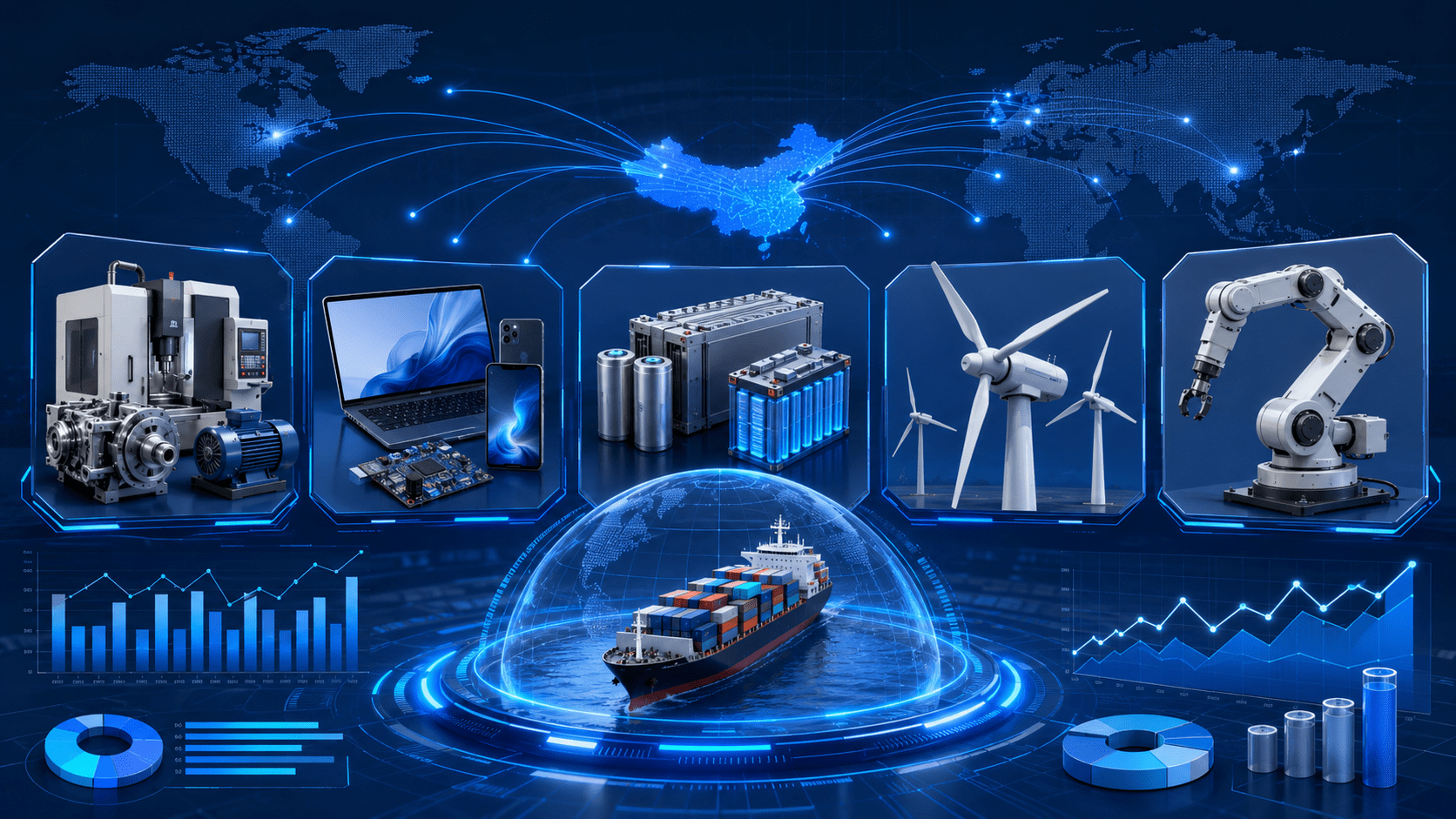
Exporters can identify companies actively importing products similar to their own. Instead of relying on cold outreach to random businesses, sales teams can target verified buyers with proven purchasing histories.
Customs data allows businesses to track competitor shipments, customer relationships, sourcing patterns, and market expansion activities. This intelligence helps companies develop more effective sales and marketing strategies.
By analyzing trade volumes and shipment frequencies, businesses can identify growing markets, emerging product categories, and changing consumer demand.
Importers can evaluate potential suppliers by reviewing their export history, shipment consistency, and customer relationships.
Access to real trade data enables companies to make decisions based on market facts rather than assumptions.
The exact information available varies by country, but most customs databases include several key categories.
Importer and exporter names help businesses identify active buyers and suppliers in specific industries.
Detailed product descriptions and HS Codes allow users to search for specific products and analyze trade activity.
Information such as shipment date, quantity, weight, and value helps businesses understand purchasing behavior and transaction size.
Country and port information reveal supply chain routes and geographic trade patterns.
Some customs databases include carrier names, vessel details, and transportation methods.
Customs data is valuable across many industries, including:
Manufacturing
Wholesale distribution
International trading companies
Logistics providers
Freight forwarders
Supply chain consulting
Market research firms
E-commerce businesses
Investment and financial institutions
Any company involved in global sourcing, exporting, or market expansion can benefit from customs intelligence.
One of the most popular applications of customs data is international lead generation.
For example, a company manufacturing industrial machinery can search customs records to identify businesses importing similar equipment. These companies have already demonstrated demand for the product, making them highly qualified sales prospects.
Sales teams can then:
Build targeted prospect lists
Analyze purchasing frequency
Identify decision-making companies
Prioritize high-volume buyers
Develop personalized outreach campaigns
This approach significantly improves lead quality compared to traditional prospecting methods.
While customs data offers tremendous value, businesses often face several challenges.
Trade data is spread across multiple countries and sources, making collection and analysis difficult.
Millions of shipment records are generated every month. Manual analysis can be time-consuming.
Different countries use different reporting formats, languages, and customs regulations.
Obtaining reliable and updated customs data often requires specialized platforms and tools.
BTD China is a professional global trade intelligence platform designed to help importers, exporters, and international sales teams discover business opportunities through customs data and trade analytics.
BTD China provides access to global trade records and advanced tools that simplify customer development and market research.
Key capabilities include:
BTD China offers access to extensive international customs and trade data, helping businesses analyze import and export activities across multiple countries and regions.
Users can quickly identify active importers and potential customers based on actual purchasing behavior and shipment history.
Businesses can monitor competitor trade activities, customer relationships, product categories, and market movements.
The platform helps users evaluate market demand, identify growth opportunities, and understand global trade trends.
Importers can assess supplier credibility through shipment records and historical trading performance.
BTD China allows users to search by company name, product keyword, HS Code, country, shipment value, and many other criteria, making it easier to find highly relevant trade intelligence.
Businesses choose BTD China because it combines comprehensive trade data coverage with user-friendly analysis tools.
Benefits include:
Extensive global trade intelligence
Accurate and regularly updated customs records
Powerful customer development features
Competitor monitoring capabilities
Market trend analysis
Efficient lead generation tools
Professional support for international trade teams
Whether you are an exporter searching for buyers, an importer evaluating suppliers, or a market researcher studying trade trends, BTD China provides valuable insights to support data-driven decision making.
Customs data has become an essential resource for companies operating in international markets. By providing visibility into global trade activities, customs data helps businesses identify customers, analyze competitors, evaluate suppliers, and discover new market opportunities.
As international competition continues to increase, companies that effectively leverage trade intelligence gain a significant advantage. Platforms such as BTDChina make customs data more accessible and actionable, helping businesses transform raw trade records into meaningful growth opportunities.
For companies looking to expand globally, customs data is no longer just an information source. It is a strategic asset that drives smarter decisions and sustainable business growth.

 BTD Whatsapp
 BTD Official Account
E-Mail:sales@btdchina.com